
How Arrest Warrants Work in Smyth County
Virginia Code § 19.2-72 starts the whole process with a complaint sworn before an authorized judicial officer. That officer hears the complaint and any witnesses. Only probable cause moves it forward. With probable cause, the officer signs written process. The warrant must identify or describe the person, state the offense, direct an arrest, and command appearance before the proper court. A magistrate often issues a new complaint's warrant in Smyth County. A district or circuit judge can issue process in a case already before that court. The warrant opens a legal process, and everything after it belongs to the court.
Smyth County Arrest Warrant Probable Cause
Every piece of the issuance record matters on its own. The sworn complaint, the oath, the probable-cause decision, and the signed command are separate parts that a Smyth County requester may need separately. A felony complaint from a private person must be written. Other process depends on the facts. The judicial officer's authority shapes what gets issued too. A case index search may show the charge and code section, but not the complaint or the full warrant paper. The Virginia arrest-warrant statute spells out these required steps and fields, and that official Code section shows the form itself rather than any filled warrant.
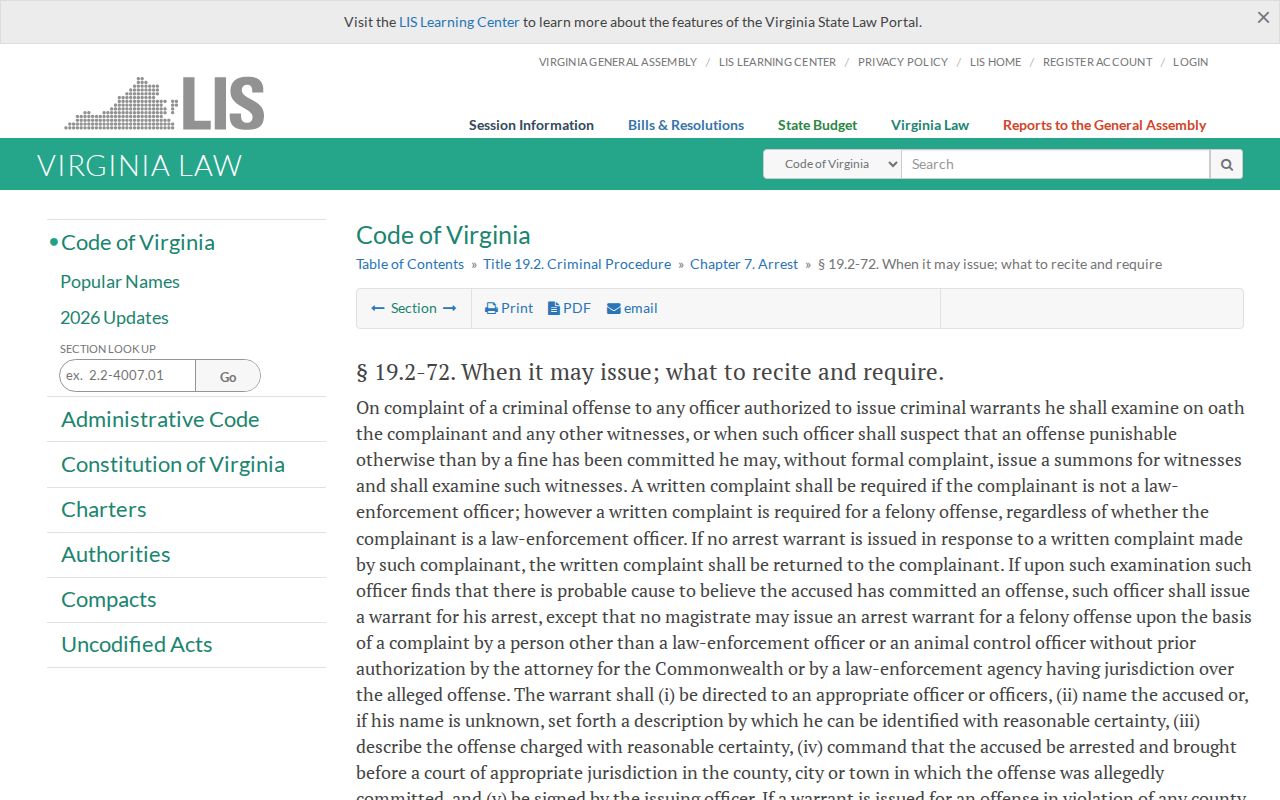
For a specific case, ask the clerk which filed record is available for review.
Arrest Warrants: What They Contain
Virginia law lists what the written command must contain. Public case systems show only selected docket details. To request the right paper, you may need the court, the case number, the charge, and the issue date. Smyth County publishes no public warrant-number pattern or filled warrant example.
| Warrant number | No public sample found No Smyth public format was located. |
|---|---|
| Person or description | The written process identifies or describes the person. |
| Offense | The warrant states the offense and directs arrest. |
| Issuing officer | Signature and authority appear on the process. |
| Court / case | Use the docket number to identify venue and filings. |
| Service / return | Ask the serving agency or court whether a return exists. |
Separate orders or later docket entries, not the warrant itself, may hold Smyth County bond terms, next hearings, and service details.
Smyth County Arrest Warrant Fields Need Context
OCIS can display court, case number, defendant, offense date, hearing date, charge, and code section. The case-details view may add hearing, disposition, appeal, or service information. Those fields make a records request easier. They do not guarantee that the online display shows the warrant's full text or its current service status. Call the clerk with court and case number first. Ask whether the file holds a signed warrant, an affidavit, a service return, a bond order, or a later recall. Say only "the warrant" and you may get several different papers. The Smyth County clerk can sort them out.
How Warrants Get Served in Smyth County
The Sheriff's Warrant/Civil Process Division serves criminal warrants and capiases that Smyth County courts issue. Town police, Virginia State Police, and officers at a jail can also execute process directed to them. Virginia law covers execution within an officer's jurisdiction and at regional jails. Issuance and service records may sit with different offices. The court keeps the case and process file. The serving agency may hold its own return. Match your question to the office that actually holds the record you need. The Sheriff's official Warrant/Civil Process page gives the public inquiry route.
Smyth County Warrant Service: Several Agencies
The Smyth County GDC schedule lists matters from Marion Police, the Sheriff, Virginia State Police, Chilhowie Police, and Saltville Police across different court sessions. That schedule can help trace the originating agency. It is not a warrant list. Nor does it map each agency's jurisdiction. If a town officer wrote the citation or report, the town may hold that originating record. The GDC clerk still keeps the docket for the town's calendar matter. A service question for the Sheriff belongs with the Warrant/Civil Process contact. Do not assume a separate municipal court here. Smyth County court sources place these matters in GDC.
Arrest Warrants, Summonses, and Bench Warrants
Warrants, summonses, and capiases can all belong to one Smyth County case, yet each marks a different step. A summons directs a person to appear or respond. A new arrest warrant follows the probable-cause process. A bench warrant or capias comes later, tied to a missed appearance or another order issue.
| Process | What Starts It | Smyth Record Route |
|---|---|---|
| Arrest warrant | Sworn complaint and probable cause | Issuing judicial officer; court file and service agency |
| Summons | Direction to appear or answer | Court named on the notice |
| Bench warrant / capias | Missed appearance or order-compliance issue | Clerk for the underlying case |
| Search warrant | Probable cause to search | Separate affidavit and filing rules |
A search warrant in Smyth County is not an arrest warrant; the record type decides which law and office apply.
Smyth County Search Warrant Affidavit Rule
Search-warrant affidavits follow their own filing and access rules. Virginia Code § 19.2-54 opens them to public inspection after execution, or after fifteen days, whichever comes first. A court can temporarily seal the material. That path is separate from an arrest warrant search. The official Virginia Code § 19.2-54 page spells out the affidavit rules that apply in Smyth County.
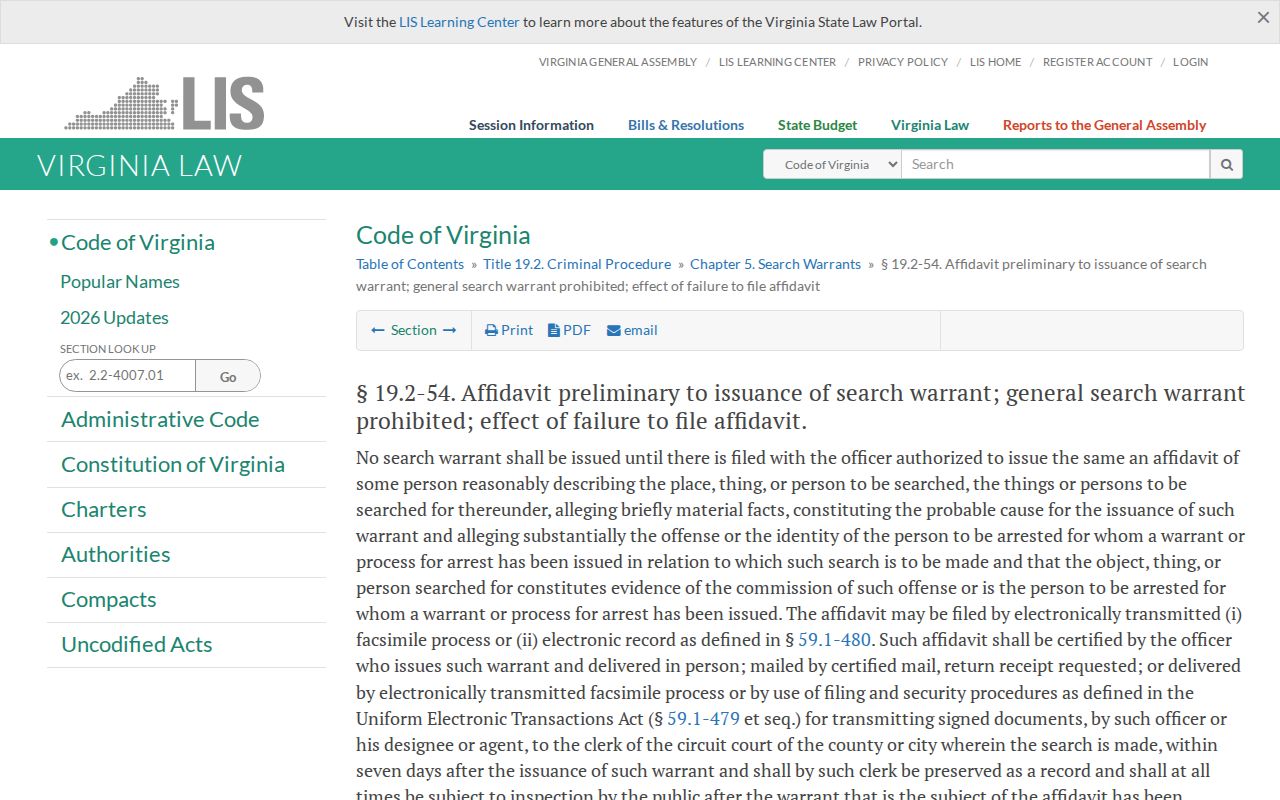
Before requesting a Smyth County affidavit, ask the clerk whether it has been filed, executed, or sealed.
Handling an Arrest Warrant in Your Name
Find the issuing court from the case number. Then call that clerk before choosing a response. Ask whether the process is current. Ask whether a recall or appearance is required, and whether a judicial officer has set bond terms. If no case appears in Smyth County systems, use the clerk or magistrate route rather than treating a blank screen as a final answer.
Get case-specific help: Speak with a Virginia lawyer before arranging surrender, bond, or a recall request; Smyth does not publish a general walk-in protocol or fixed bond schedule.
After a court action in Smyth County, keep the signed order, release paperwork, receipt, and next hearing notice. Online details can lag behind the clerk's entries.
Smyth County Arrest Warrant Records Go to the Clerk
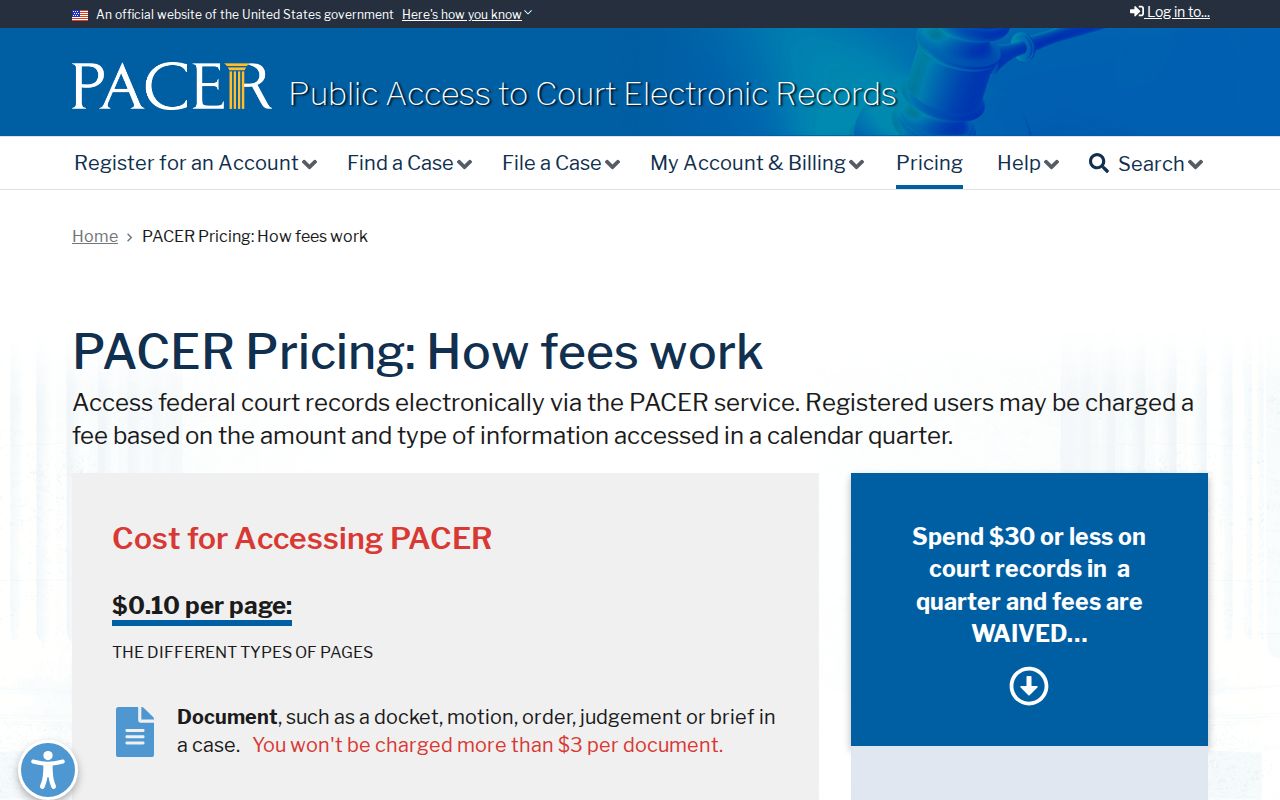
Need papers from a Smyth County case? Go to the clerk's office. Give the case number and a narrow date range, since a blanket request for all warrant records will stall. Service and return copies sit elsewhere. The Smyth County Sheriff or the originating police agency can tell you whether it keeps a disclosable copy. Expect some investigative details to come back withheld or redacted. Juvenile, sealed, expunged, and safety-sensitive files follow stricter access rules of their own. Virginia Code § 2.2-3706.1 governs criminal investigative records, and the local clerk can explain which court papers are open to you. Federal dockets take a different road. The U.S. Courts PACER fee and access page lays out how federal case access works and what it costs.
Match each docket to its court. The case paper names it. The U.S. District Court's Abingdon office information covers that federal division, not any Smyth County clerk, so county warrant files stay with the county's own offices.
Check the court and division printed on the case paper.
Smyth County Arrest Warrant Status Needs Verification
A case screen answers one question only. OCIS is a case-information tool, not a warrant database. Virginia's law-enforcement entry system is not a public search portal. An arrest entry, a charge, or a case outcome still leaves open whether a warrant was served or recalled. For status, call the Smyth County issuing clerk, and use the Sheriff's published number for service routing. Leave names, photographs, and allegations from a case screen off the internet.